Tracked vs Towable Wood Chipper

The better choice depends on how the machine moves during production, not only how it reaches the site.

Side-by-side comparison

Decision factorTracked wood chipperTowable wood chipper
Working terrainSoft, uneven or unprepared groundFirm sites with suitable road access
Movement during a shiftUseful for following material piles or forestry workBest when operating mainly from a fixed position
Between-site transportUsually requires a suitable transporterTowed by a compatible vehicle, subject to local rules
SetupSelf-positioning within the work areaSimple placement where turning and parking space exist
Selection priorityTraction, ground pressure and gradeabilityAxle load, towing compatibility and road dimensions

Choose tracked when…

  • The machine must move repeatedly inside the forestry site
  • Ground is soft, muddy, uneven or only partly prepared
  • Material cannot be brought efficiently to one fixed processing point
  • A separate transporter is already planned for road movement

Choose towable when…

  • Sites are accessible by road and relatively firm
  • The unit remains stationary for most of each production run
  • A compatible towing vehicle is available
  • Fast relocation between accessible sites is more important than off-road travel
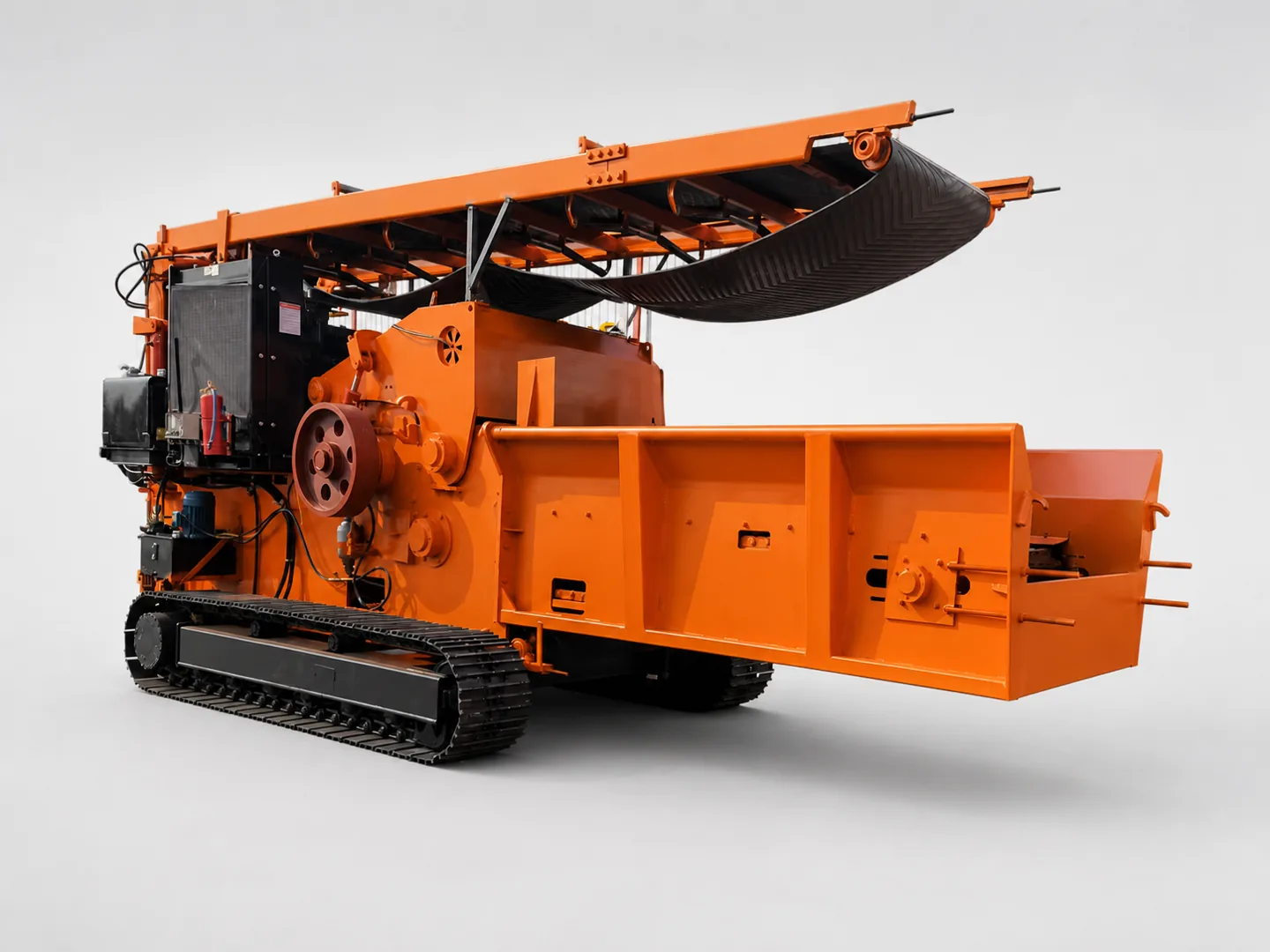
Tracked mobile wood chipper operating configuration

Do not compare chassis alone

The cutting unit, feed opening, hydraulic control, engine power and discharge arrangement still need to match the raw material and production target.

A tracked chassis does not automatically increase chipper throughput, and a towable chassis does not automatically reduce it. Capacity depends on the complete configuration and the conditions used for the calculation.

Before ordering, confirm transport dimensions, total weight, local towing or hauling requirements, slope limits, operator visibility, emergency stops and service access. Review the full wood chipper model guide or use the selection checklist.
Compare configurations for your site

Send site photos, relocation distance, terrain, feed diameter and target capacity for a project-specific recommendation.