Wood processing & biomass pellet equipmentWhatsApp: +86 186 3901 7311

Wood Chipper Models: How to Choose

Compare mobility, capacity, feed size and site conditions before selecting a towable or tracked mobile wood chipper.

Selection overview

Match the machine to the real job

The correct wood chipper model is not determined by motor power alone. Raw-material diameter, species, moisture, loading method, target chip size, terrain and planned operating hours all influence practical output.

Weny Energy configures diesel-powered mobile machines across applicable capacities of approximately 1–40 TPH. Maximum feed diameter can reach 600 mm on suitable models, while finished chips are commonly adjustable within 20–80 mm. Final specifications are confirmed against sample material and project conditions.
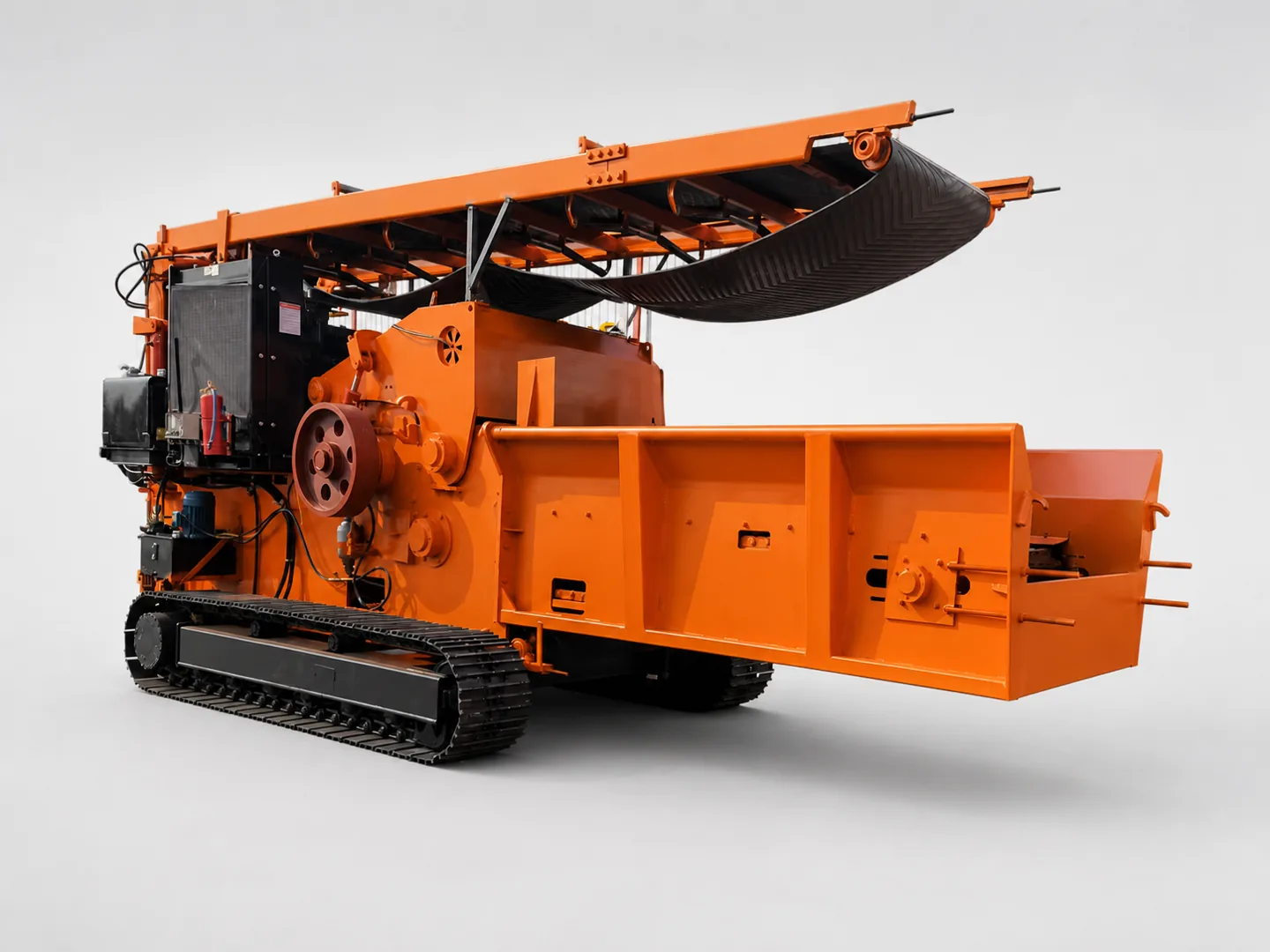
Tracked wood chipper model for difficult terrain

Wood chipper model comparison

ConfigurationBest suited toMain advantageCheck before selection
Tracked mobileForestry, plantations, soft or uneven groundMoves within difficult job sitesGround pressure, slope, transport dimensions
Towable wheeledRoad-accessible sites and frequent relocationSimple transport behind a suitable vehicleTowing rules, access road and turning space
Stationary electricFixed yards and continuous production linesStable plant integration and lower local emissionsGrid capacity, transformer and conveyor layout

Five inputs that determine model size

1. Feed material

Send photos, species, maximum diameter, typical length and moisture. Roots and irregular timber demand different feeding behavior from uniform logs.

2. Required output

State both peak and sustained TPH. A realistic target includes loading delays, knife service and downstream conveyor capacity.

3. Chip specification

Confirm whether chips feed a boiler, panel plant, composting process or further grinding line. The target size affects rotor and screen selection.

4. Site mobility

Tracked units suit off-road movement. Towable units suit transfers where roads and an appropriate towing vehicle are available.

5. Downstream process

Screening, metal removal, conveying and storage must be sized together so the chipper is not restricted by the next stage.

Tracked or towable?

Review the operating terrain, relocation distance and transport method rather than choosing from appearance alone.

Read the mobility comparison →

How much capacity?

Learn why nominal TPH and sustained production are different, and what information supports a reliable calculation.

Read the capacity guide →

Request a model recommendation

Send raw-material photos or video, maximum diameter, moisture, hourly target, chip size, country and site conditions.