Wood Pellet Production Line Planning Guide

Published

Plan the complete process around real feedstock data, not a headline capacity alone.

Start with the raw material

A reliable wood pellet production line begins with the material that will actually arrive at the plant.

Record the wood species, whether the feed is roundwood, chips, sawdust or mixed residues, typical and maximum dimensions, current moisture and possible contaminants. Photos and a short feeding video help identify whether primary chipping, screening or metal removal is required before drying and fine grinding.

Supply consistency matters as much as the material name. Seasonal changes in moisture or the proportion of bark and fines can change dryer duty, energy use and operating stability.
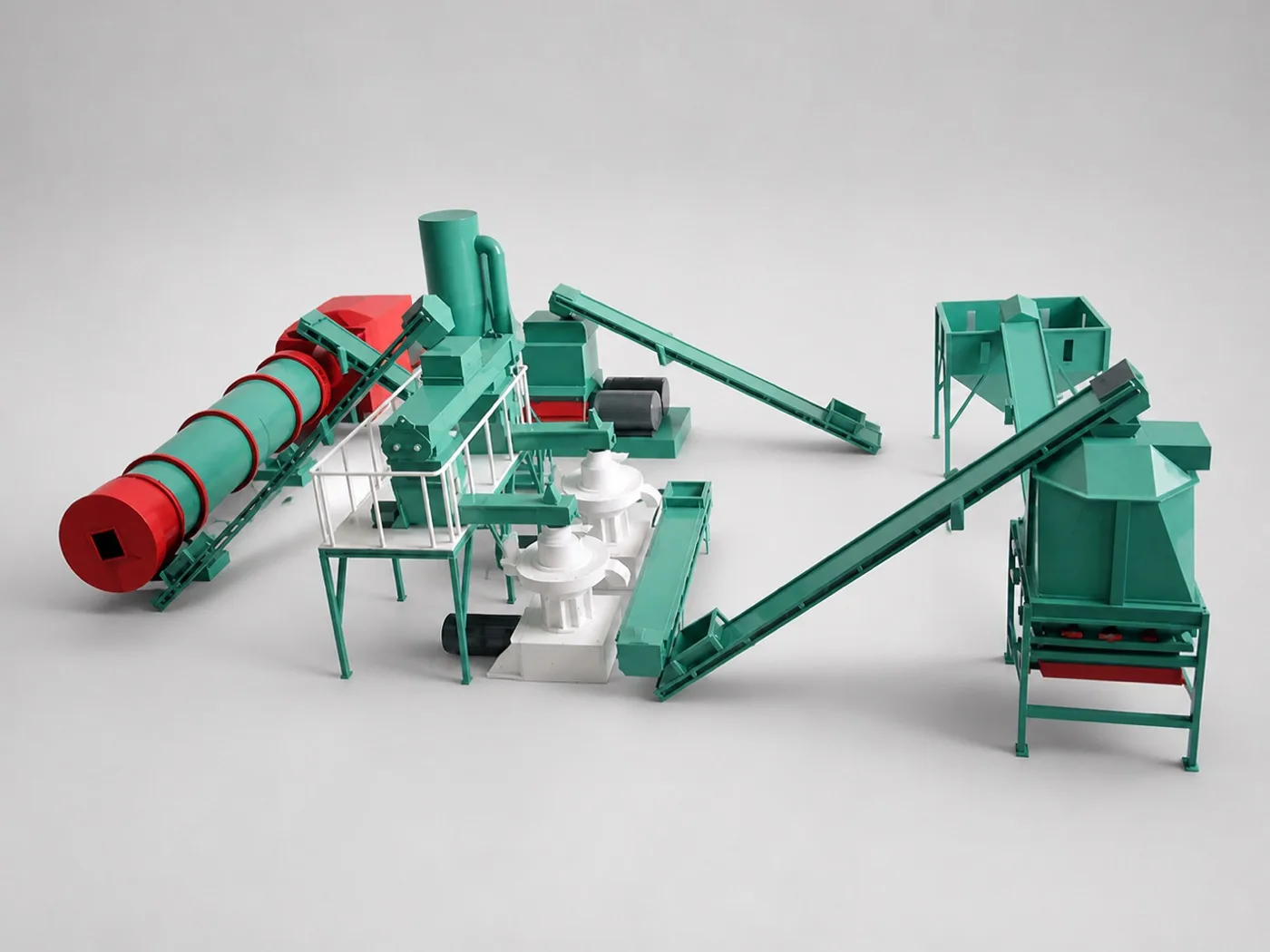
Complete wood pellet production line equipment

Five process stages to balance

1. Size reduction

Roundwood, branches and bulky residues normally require primary chipping. The feed opening, rotor and conveying system must match maximum dimensions and loading method.

2. Drying

Dryer selection starts from measured input moisture, required output moisture and wet-material throughput. Heat source and local fuel availability are part of the calculation.

3. Fine grinding

A hammer mill prepares a more uniform particle size for pelletizing. Its feed condition and screen selection must match the upstream material and pellet specification.

4. Pelletizing

The pellet machine is selected by prepared feedstock, pellet diameter, sustained output and operating schedule—not only motor power or nominal capacity.

5. Cooling and handling

Finished pellets require cooling and may need screening, storage and bagging. Conveyors and buffers keep one stage from stopping the whole line.

Project data checklist

Project inputWhy it affects the design
Raw material and maximum sizeDetermines chipping, feeding and screening requirements
Current moisture and seasonal rangeSets the evaporation load and heat requirement
Required finished output per hourSizes the full line and intermediate buffers
Pellet diameter and intended useAffects die selection and feed preparation
Daily operating hoursSeparates sustained production needs from short peaks
Voltage, frequency and heat sourceDetermines motors, controls and dryer configuration
Site dimensions and material flowControls layout, conveyor length, storage and access
Automation and packagingDefines controls, labor requirements and downstream equipment

Avoid isolated capacity decisions

If a pellet mill is rated above the usable output of the dryer or grinder, the line cannot sustain the advertised production. Likewise, insufficient cooling, storage or packaging can force upstream equipment to stop.

Ask suppliers to state the material basis used for each capacity figure. A complete proposal should show the flow between stages and identify which values still require testing or confirmation.

Plan utilities and operation early

Confirm the available transformer capacity, voltage and frequency before motor selection. For drying, identify the planned heat source and local emissions or fire-safety requirements.

Leave working space for loading, knife and screen maintenance, die changes, dust control, finished-product movement and emergency access. Layout decisions made early are usually less expensive than changes after equipment arrives.

Questions about wood pellet line planning

What information is needed to plan a wood pellet production line?

Provide the raw material type and form, maximum size, current moisture, required hourly output, pellet specification, operating hours, local power supply and installation country.

Why must drying and grinding be sized together?

Drying changes the mass and condition of the material, while grinding prepares the particle size required for stable pelletizing. Both stages must be balanced with the target pellet output.

Can one standard configuration fit every project?

No. The correct equipment sequence and capacity depend on feedstock, moisture, particle size, utilities, site layout and the required finished pellets.